
In recent years, Zambia had been on a hopeful path. Access to life-saving services like HIV testing, treatment, and family planning was expanding. Young people were learning how to protect themselves, and more women were gaining the power to make choices about their reproductive health.
But today, that progress is slipping away.
The statistics tell a sobering story: nearly three in every ten girls aged 15 to 19 in Zambia are already mothers. Many young women still cannot get the family planning options they need. HIV remains a constant threat especially for adolescents and young adults. These challenges require more investment, not less.
Yet in early 2025, Zambia’s health system was dealt a devastating blow when the United States foreign assistance paused funding for global health programmes. Though some funding has since resumed, many critical services have not returned. And the impact is being felt deeply especially by young people. Services that once supported vulnerable groups, family planning, sexual and gender based violence survivors, male circumcision to reduce HIV risk are no longer funded. These aren’t luxuries. They’re lifelines.
Take PrEP, the daily pill that helps prevent HIV. It used to be available to young women, adolescents, and other high-risk groups. Now, it’s restricted to only pregnant and breastfeeding women. A new government guideline now allows PrEP for more people, but this has not yet started in local clinics. It’s not clear when or if it will happen.
At the same time, there are shortages of important health supplies. The government is working with partners to fill these gaps. But things are still uncertain, and some communities are already feeling the effects.
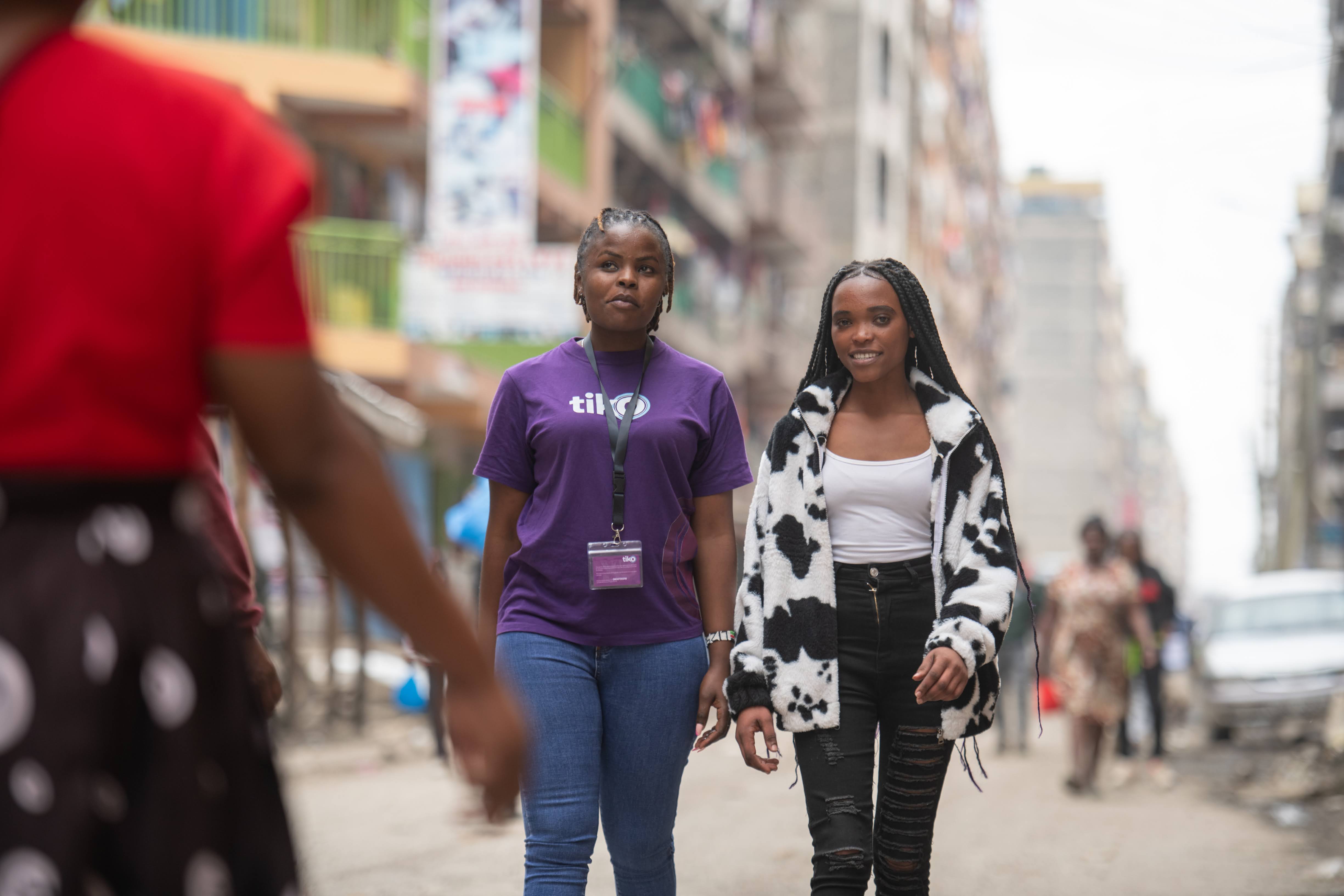
In the middle of all this, Tiko has continued to support young people in Zambia. Since 2023, we have built a strong system in Lusaka that connects health workers, community mobilisers, and local shops. More than 29 000 young people have already used Tiko’s platform to get health information and access services that protect their health, their choices, and their futures.
But this progress is now at risk. Without enough funding and with fewer programmes in place, many young people are being left behind. Not because they don’t need support but because the support is no longer there.
Mwansa C. Njelesani, Tiko’s Country Director in Zambia, said, “We are witnessing a critical moment where the health and futures of our youth hang in the balance. It’s important that we act quickly to restore and grow the services they depend on.”
Tiko is calling on the global community, donors, partners, and policymakers to step up. We need to restore vital health services and ensure that young people can access the care they need, when they need it. We need innovative, flexible solutions to reach those who are hardest to reach. And we need a health system that is equitable, sustainable, and accessible to all, no matter their background or location.
Tiko is a non-profit organisation leveraging technology to transform sexual and reproductive health for underserved girls in urban and peri-urban Africa. Facing the ‘triple threat’ of teenage pregnancy, HIV infection, and sexual violence, these girls benefit from Tiko’s tech-enabled model that connects them to high-quality health services at no cost. By removing social and financial barriers to care, Tiko empowers girls to take control of their health and futures.