
Ouagadougou, the capital of Burkina Faso, is a city full of young people trying to build their futures. In the neighbourhood of Tampouy, 19-year-old Aminata lives with her parents, two sisters, and one brother. She’s a student with a big dream. She wants to become a journalist.
Not long ago, Aminata faced a health issue that left her feeling confused and worried. She started feeling discomfort but didn’t understand what was wrong. “I didn’t know what was happening to me,” she says. “I had never experienced anything like that before.”
After a few days, she went to a health provider and was told she had a sexually transmitted infection (STI). It was the first time she heard about STIs in detail. “I didn’t even know what an STI really was until then,” she shares.
When she told her partner about the diagnosis, she hoped he would find a way for them to get treatment. But instead, he reacted badly. “He blamed me and said I was the one who infected him,” she says quietly. “It really hurt. I felt ashamed and alone, so I ended the relationship.” This emotional stress affected her studies. “I couldn’t go to school for three days,” Aminata explains. “I was not only feeling sick, but I was also too stressed to concentrate. It was a very difficult time for me.”
Things began to change when a local community organisation, AJFAP, visited her school for a session on sexual and reproductive health. That’s where she first heard about Tiko and PathFinder International’s Sira Connect project, a programme offering free and youth-friendly health information and services. “When I joined Sira Connect, I thought I would only get help for the STI,” she says. “But they offered me so much more.”
Through Sira Connect, she received counselling on contraception and learned how to prevent HIV. “I didn’t know there were so many methods to protect myself,” she says. She was also able to talk about the emotional impact of her experience. “They asked me how I was feeling not just physically, but mentally,” she shares. “It was the first time someone asked me that.” Sira Connect connected her to mental health support, helping her process the pain and shame she had felt.
During her sessions, she also received information about sexual and gender-based violence (SGBV), what it looks like, and how to seek help. “I learned that what my ex-boyfriend did, blaming me, refusing to get treated, and making me feel worthless was not okay,” she says.
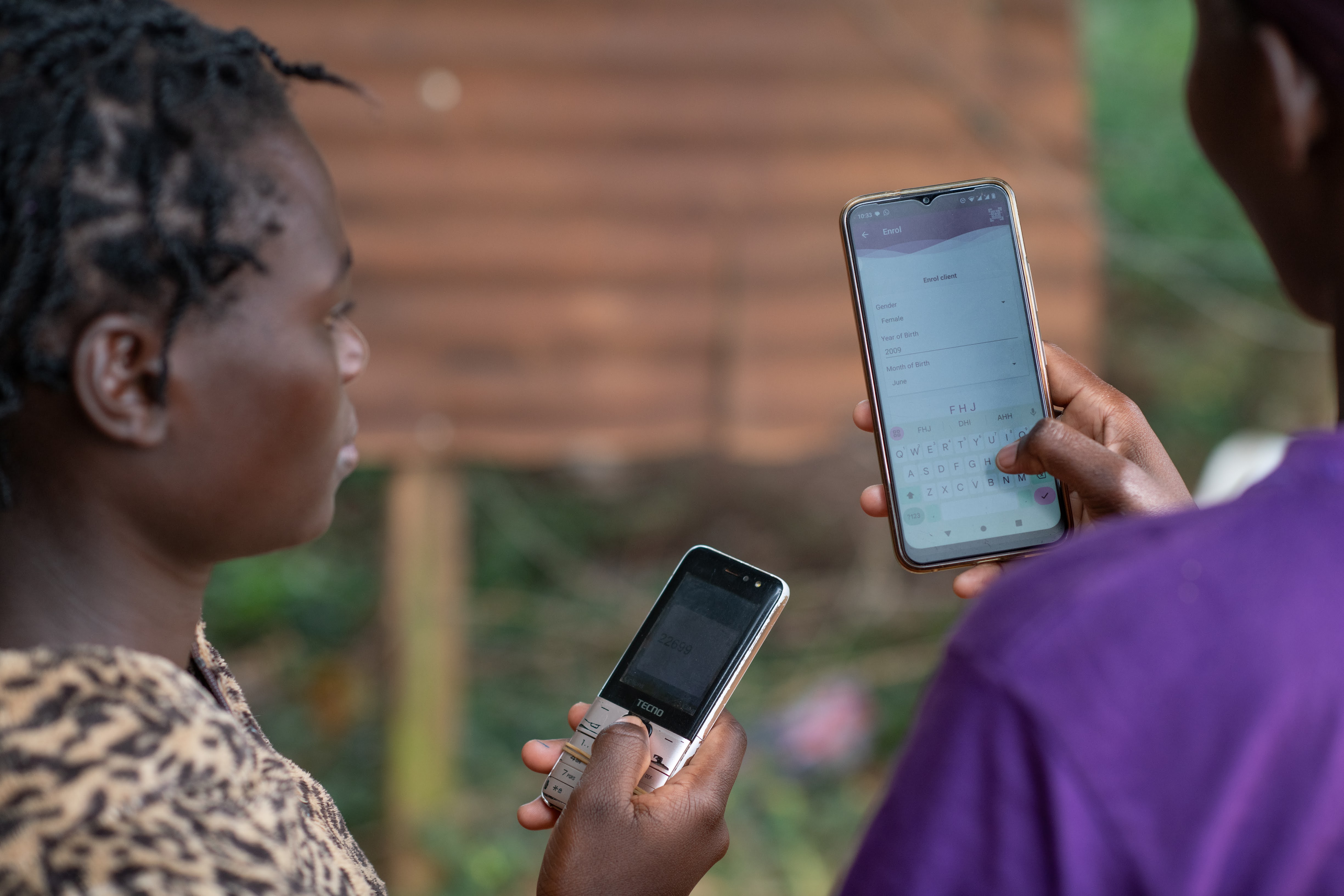
What impressed Aminata most was how all the services were delivered in a safe, non-judgmental space. “Tiko used digital tools to guide me through everything,” she says. “It was easy, private, and made me feel respected.”
Now, she feels more in control of her body, her choices, and her future. “Thanks to Sira Connect, I can protect myself from STIs and HIV. I understand what a healthy relationship should look like and I’ve taken care of my mental health too.”
She’s also ready to support others. “I share what I learned with my friends. They deserve to have this information too.”
As she continues her studies, Aminata is more committed than ever to her dream of becoming a journalist. “I want to use my voice to raise awareness about health and safety, especially for girls like me,” she says. “Sira Connect gave me knowledge, confidence, and a way forward.”
*This story was written by Tiko with consent from Aminata and names have been changed.