
In Kasarani, an urban neighbourhood in Nairobi, life moves quickly. The streets are alive with small shops, salons, hardware stores, and entertainment joints, filled with young people striving to make a living. Beneath this energy, however, lies a silent crisis of gender-based violence (GBV) affecting women and girls across the community.
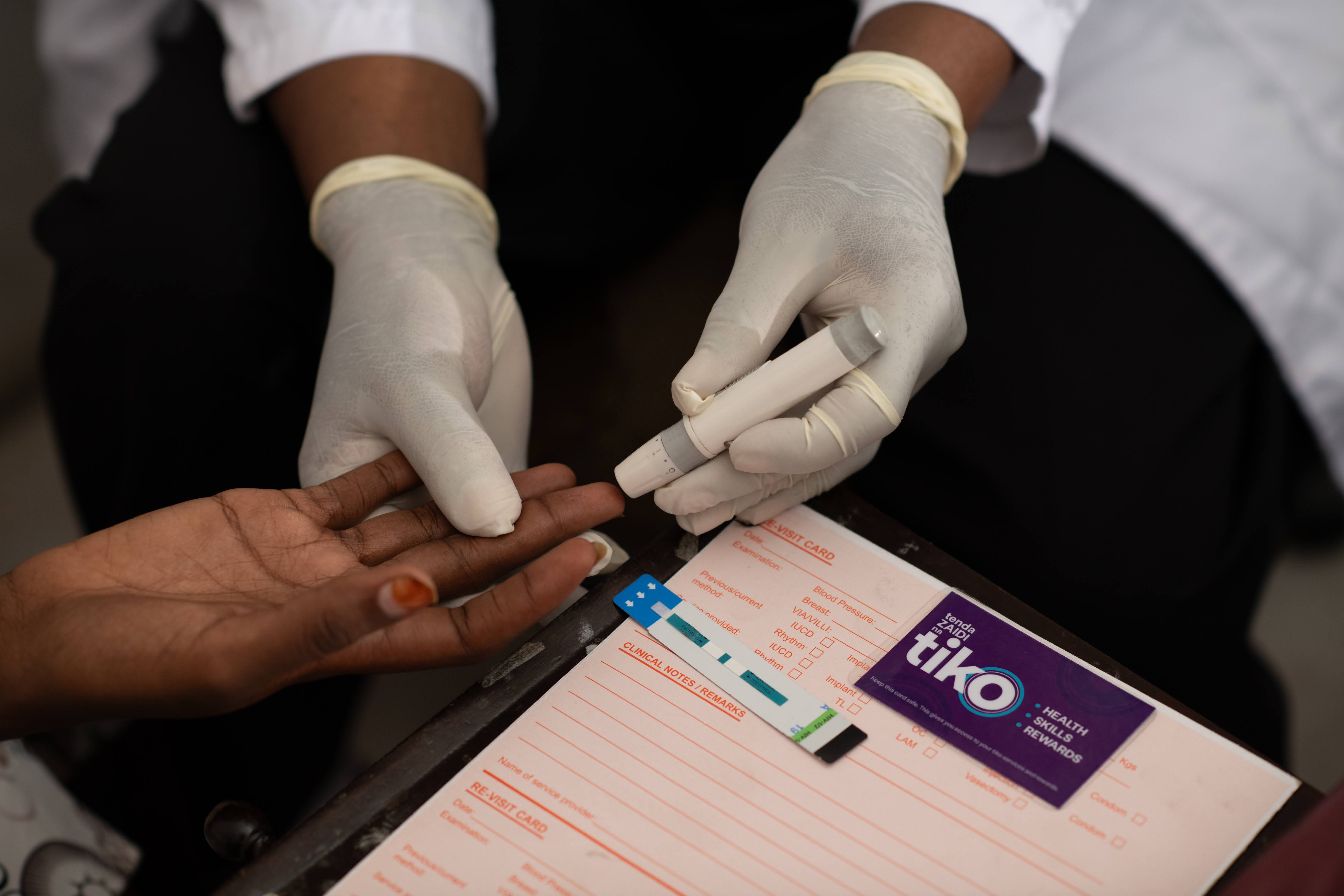
Economic hardships, school dropouts, and unemployment have fueled vulnerability, particularly among adolescent girls. Cases of physical and sexual harassment are common, and many survivors remain silent out of fear, stigma, or lack of access to support. Health facilities such as Kasarani Health Center, Njiru Health Center, Mwiki Level 4, and others have become essential spaces for survivors seeking help, even as they struggle with limited staff, supplies, and emotional tolls.
Among those on the frontline is Clinical Officer Mary Achieng, who has seen firsthand the pain and resilience of survivors. She recalls a recent case that left a deep mark on her.
“A 15-year-old girl was sexually assaulted by her married neighbor,” Mary says softly. “She lived with her sister, and when it happened, she had the courage to call her right away. The sister immediately contacted the police, who guided her on the right steps like not to change clothes, not to shower, and to rush to the hospital for examination.”
At the facility, Mary and her team performed medical tests confirming the assault. The police acted quickly, arresting the perpetrator. This case revealed how gender-based violence often repeats in cycles. When harmful ideas about power and masculinity go unchecked, more people get hurt.
Mary explains, “When men use violence to feel in control, it destroys everyone. The girl loses her safety and dreams. The man loses his health, family, and peace. In the end, no one wins.”
Through the support of Tiko, Mary and her colleagues have been better equipped to respond to cases of gender-based violence with sensitivity, speed, and professionalism. Tiko’s work in Kasarani focuses on strengthening community-based systems that ensure survivors receive the help they need not just immediately after an incident, but throughout their recovery journey.
One of Tiko’s key interventions has been training community health workers (CHWs) and community health promoters (CHPs) to recognize, document, and respond appropriately to GBV cases. These frontline workers are often the first point of contact for survivors, and the training equips them to handle disclosures safely, provide initial psychosocial support, and guide survivors to appropriate facilities for further care.
Beyond training, Tiko has also distributed dignity kits to survivors of GBV. These kits contain essential hygiene and comfort items such as sanitary pads, soap, underwear, and a change of clothing which help restore a sense of dignity and control at a moment when survivors often feel most vulnerable. For many, receiving a dignity kit is not just about physical comfort; it’s an emotional signal that they are cared for, believed, and supported.
Tiko has also played a role in establishing safe referral pathways, a structured system that connects survivors to health care, psycho-social support, legal aid, and, where necessary, law enforcement. These pathways ensure that survivors are not left to navigate complex systems alone. Instead, they are linked to trusted service providers who prioritise confidentiality and respect. By strengthening these linkages, Tiko helps reduce the risk of survivors dropping out of care or facing further trauma when seeking help.
The organisation’s community engagement efforts have been equally vital. Through awareness campaigns, dialogue sessions, and partnerships with local leaders, Tiko has worked to shift harmful norms and break the silence surrounding GBV. These initiatives have encouraged more survivors to come forward and have inspired local champions to speak out against violence.
“Tiko’s involvement has made a huge difference,” Mary explains. “Survivors now know they can get help without shame. Many young women who learned about GBV on the Tiko platform have come forward, and some are even supporting others in their neighborhoods. It’s encouraging to see attitudes changing.”
Despite the progress, challenges persist. Mary notes that many facilities still face shortages of evidence collection kits, lack transport support for survivors who must attend court hearings, and have limited access to psychologists for trauma counseling. Some cases reported as far back as 2021 are still being processed in court.
On average, facilities in Kasarani record between 10 and 15 GBV cases each month, a decline from previous years, which Mary attributes to growing awareness and community dialogue. She believes that with continued investment, even greater change is possible.
“To strengthen the GBV response, we need everyone; health workers, police, schools, and religious leaders to be part of the solution,” she says. “We also need regular debriefing sessions for staff, better transport support for survivors, and more psychologists to help them heal.”
Mary’s story reflects the courage of health workers across Nairobi who confront GBV with compassion and determination every day. Thanks to Tiko’s support, survivors in Kasarani are finding their voices and their strength again.
Leave a Reply