
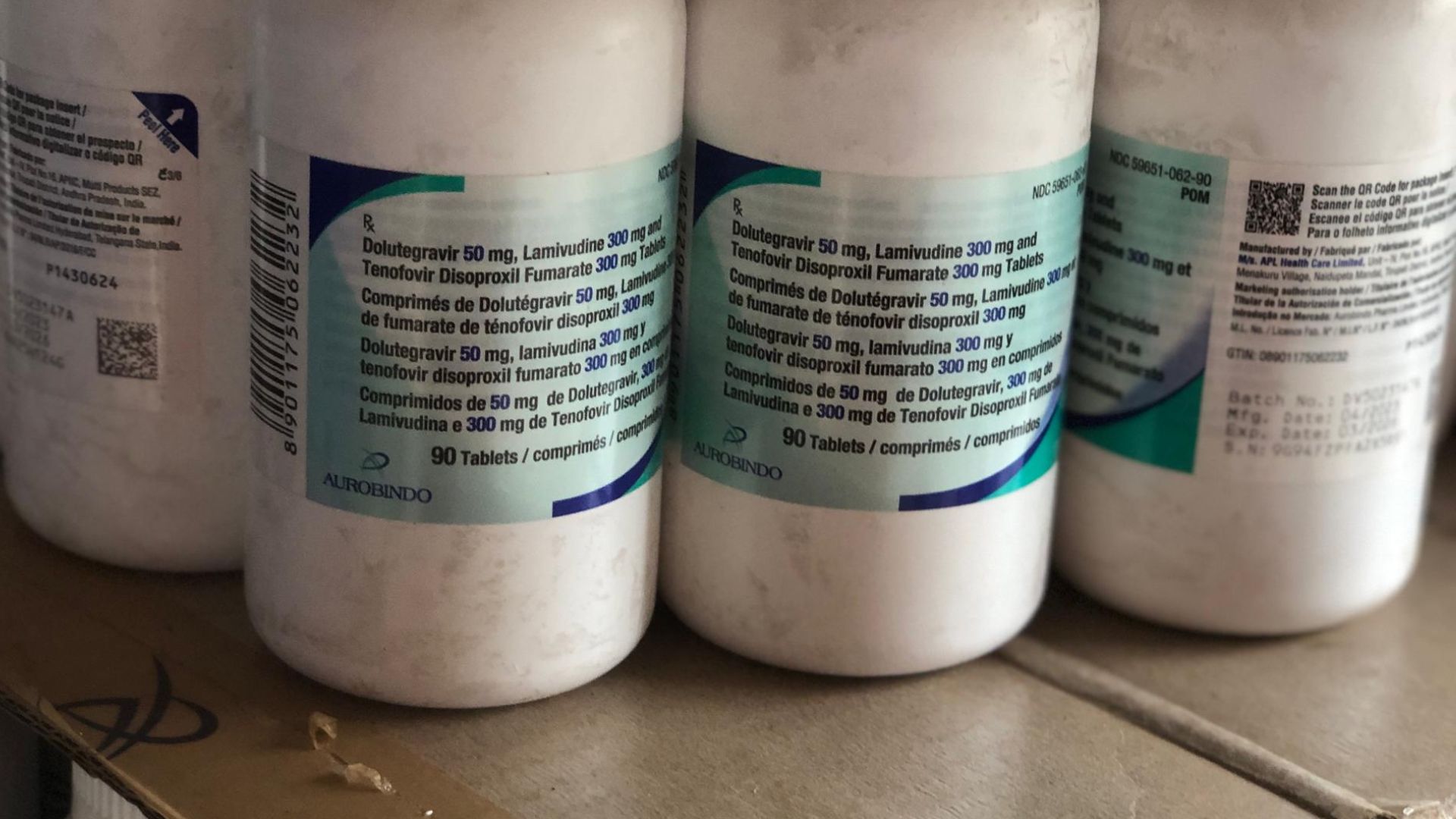
In Kampala, where young women face a high risk of HIV, Beth Amupire works as a peer supporter at Kawaala Community Health Centre. Every day, she helps young people stay on track with their HIV treatment and prevention plans, offering guidance, encouragement, and support to ensure they have the care they need. The clinic serves around 550 girls each month, providing medicine, advice, and support. But after major U.S. funding cuts, Beth and her few remaining colleagues are struggling to keep the clinic running.
“Our work has become much harder,” Beth says. “Before, we had a special clinic for young people. Now, because we have fewer staff, we have to mix with the general Antiretroviral therapy (ART) clinic. This has led to long waiting times and made young people feel exposed.”
For girls living with HIV, this change is stressful. Many are afraid that others will find out about their condition. Because of this, some stop taking their medicine, which puts their health in danger. Before the funding cuts, young people who followed their treatment well could get medicine for six months at a time. Now, they must come back every three months. This is a big problem for those who cannot afford transport.
“It is very hard for girls to come to the clinic often,” Beth explains. “Many are already struggling with money, and now they must visit four times a year instead of two. Some just can’t do it, so they miss their medicine.”
The cuts have also affected PrEP, a medicine that helps prevent HIV. Now, only pregnant mothers, young mothers, and survivors of sexual violence can get it. Many other young people who need it are left out. Because of the lack of staff, the clinic also has fewer family planning services, making it harder for young women to protect their health.
Beth is worried about the future. “We need to focus on young people’s treatment. There should be a special budget to help in emergencies like this. We also need more places in the community where people can get their medicine so they don’t have to come to the clinic so often.”
In Kampala, Tiko offers accessible prevention and treatment services, including Pre-exposure prophylaxis (PrEP) and Antiretroviral therapy (ART), through youth-friendly clinics staffed with trained support. This makes it easier for them to get the support they need. But even with this help, the lack of funding makes it difficult to reach everyone.
Support from international donors is still very important. Some emergency money has helped bring back a few services, but a long-term plan is needed. Beth and others are calling for local funding to prevent this from happening again. Until then, many young women in Kampala will keep facing challenges—waiting, hoping, and trying to stay healthy.
*This story was written by Tiko with consent from Beth