
At 17, Betty Nalubwama carries a cheerful spirit that defies the hardships she has navigated. Living in Kiganda Zone in Banda, on the outskirts of Kampala, Uganda, Betty manages sickle cell anaemia, a condition she describes as “visiting” her with episodes of pain she cannot always predict or prevent.
Her childhood was marked by instability. After her mother left when she was an infant, Betty’s father separated her and her siblings, sending them to live in different homes. Betty eventually came to live with her grandmother, who took on the responsibility of raising a young child in her old age.
The intersection of Betty’s health and education reached a breaking point in Primary Six. During her second-term exams, a sickle cell episode affected her performance. Her grandmother, unable to reconcile the illness with Betty’s results, told her she would not return to school.
“I really wanted to wear the secondary school uniform,” Betty says quietly. “And I was so close.”
Without the financial means or support to challenge the decision, Betty’s formal education came to an end.
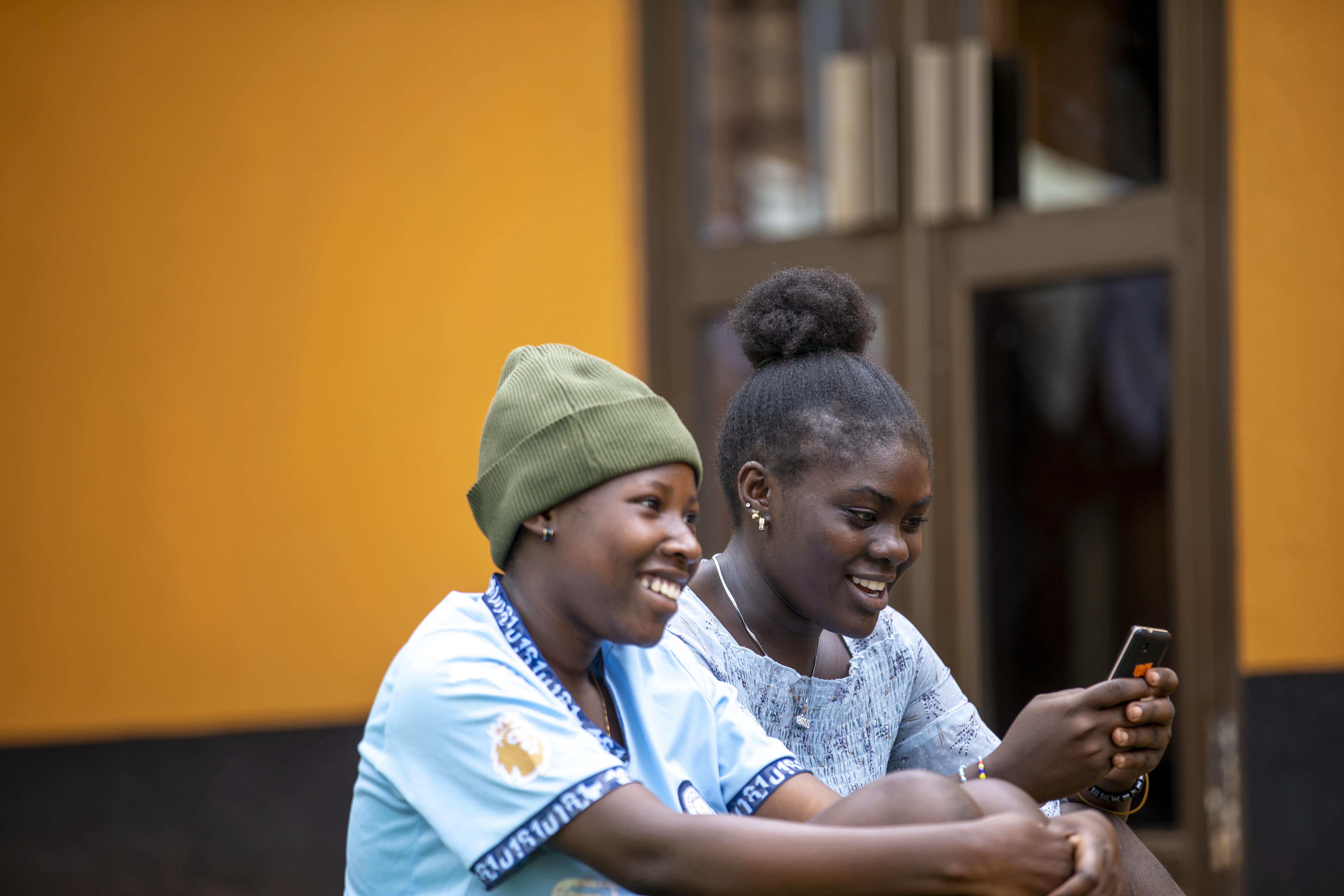
What Betty has instead, for now, is community. Through the Tiko platform, she has found a sense of purpose and a circle of genuine friends—her Tiko peers. Her best friend, Justine, is a constant presence. Together, they walk through their neighbourhood, talking to other girls about the health services available through Tiko.
They share the simple joys of teenage life: shopping at Tiko retail partners using the miles they have earned, laughing together, and managing a joint TikTok account. When they speak to other girls about peer pressure, they also encourage them to think critically about the harmful behaviours and unrealistic expectations often reinforced through social media.
Before joining Tiko a year ago, Betty knew very little about her own health.
“I wasn’t aware that people get tested for HIV,” she says. “I didn’t know my status.”
Today, healthcare is no longer something that feels out of reach. Betty is making a series of deliberate choices. She and her boyfriend now test regularly for HIV, and she uses contraception to plan her future.
Betty is clear-eyed about the risks facing girls in her community. She observes that when girls lack income and support, they are often forced to exchange sex for basic necessities such as sanitary pads.
“When we are unemployed and idle, we become prey to men who want to exploit us,” she explains.
Because of this, Betty believes skills training is a vital form of protection. She dreams of becoming a flight attendant but is also interested in starting a catering business, learning hairdressing, or pursuing any other skill that would allow her to earn her own income. Her ultimate goal is to afford consistent, quality care for her sickle cell condition without having to rely on the limited means of others.
Her role model is Ugandan artist Sheebah Karungi.
“I am inspired by everything she is and does,” Betty says.
Much like her idol, Betty is focused on building a life defined by her own strength, her own income and her own terms.