
In Chipata Township, Zambia, the narrow streets are alive with the noise of children playing, vendors calling out to passersby, and the hum of overcrowded homes pressed tightly together. But beneath the surface lies a harder truth: poverty, unsafe living conditions, and limited access to basic services define daily lives.
For 20-year-old Racheal, this environment has shaped her journey, one marked by hardship, trauma, and survival.
Racheal’s father is a metal fabricator, but frequent power outages mean he often cannot work. To help support her family, Racheal found employment at a small restaurant. It was on her way to work, in the still-dark hours of morning, that her life changed forever.
She was sexually assaulted on her way home. Alone, terrified, and unable to identify her attackers, Racheal was left not only with invisible wounds but with a devastating diagnosis: she was HIV positive.
“My life has been cut short,” she recalls, her eyes heavy with the weight of a future that suddenly felt stolen. The assault shattered her sense of safety. School felt impossible. Surrounded by whispers and stigma in her community, she withdrew into herself. Daily HIV medication was a constant reminder of what had been done to her.
But amidst despair, a lifeline appeared.
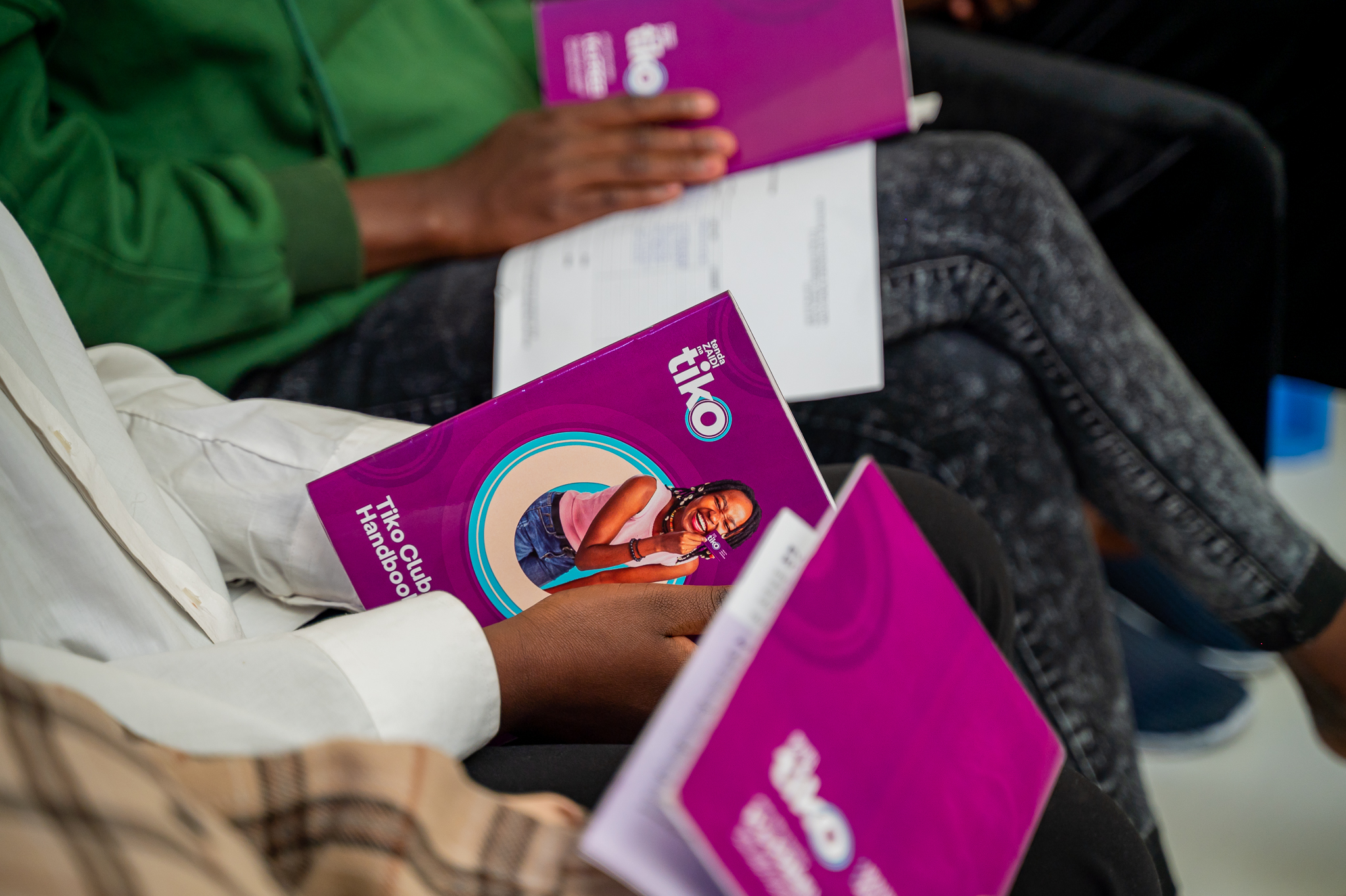
At a youth-friendly space in her community, Racheal met Fidelia, a Tiko mobiliser. Fidelia introduced her to Tiko’s platform, walking side by side with her to the health facility. There, Racheal received counselling and was initiated into Antiretroviral Therapy (ART) services. For the first time, she felt seen and supported.
Enrollment with Tiko was simple. Through a card or phone, she could access services without barriers. At the clinic, she noticed other young people also using Tiko. It reminded her she was not alone.
“Tiko seems to be good for educating adolescents in the community about their sexuality ,” Racheal says
Though stigma lingers in Chipata Township, Racheal is slowly rebuilding her confidence. She continues to access treatment, supported by youth mobilisers who understand her pain. And while she is not yet ready to return to school, she is beginning to dream again.
“I want to own my own restaurant one day,” she says with quiet determination.
For Mwansa Njelesani, Tiko’s Country Director in Zambia, Racheal’s story is both heartbreaking and inspiring.
“No young person should ever have to carry the double burden of sexual violence and HIV stigma. At Tiko, we are committed to walking alongside adolescents like Racheal ensuring that every young person, no matter their circumstance, can access the care, dignity, and opportunities they deserve.”
Racheal’s story is not unique. Across Zambia and beyond, countless adolescent girls face the risks of sexual violence, teenage pregnancy, and HIV. Too many are left without support, silenced by stigma and shame.
Tiko is changing that. Through its community led, tech-enabled platform, Tiko ensures that young people like Racheal can access free, youth-friendly health services like HIV treatment, counseling, sexual and reproductive health care without fear or judgment. Mobilisers like Fidelia are building trust in communities, breaking barriers, and helping girls imagine new futures.
For Racheal, Tiko is not just a programme. It is her second chance at life. And with continued support, she can transform her pain into a story of triumph.
*This story was written by Tiko Africa with consent from Racheal